
Selling a Restaurant Property in Sarasota: What Owners and Buyers Need to Know
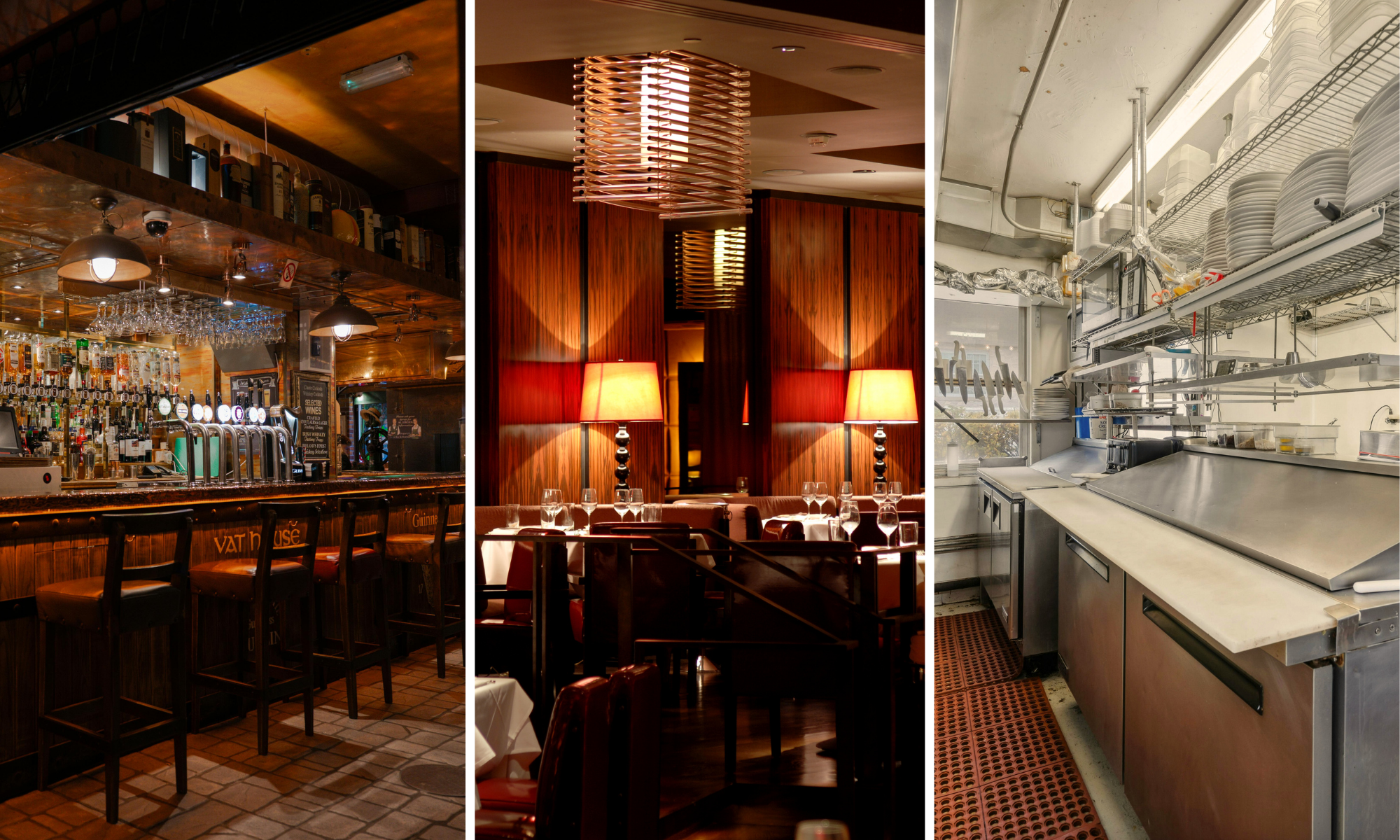
Selling a restaurant property in Sarasota is different from selling any other type of commercial real estate. The value depends not only on the building and its location, but on exactly what is included in the sale — the real estate, the business, the equipment, and the liquor license can each be sold together or separately, to entirely different buyers. American Property Group has closed more than 500 restaurant transactions in Southwest Florida — more than any other category we handle — and the biggest factor in a smooth, high-value sale is understanding what you are actually selling and who the right buyer is. Here is what every restaurant owner and buyer in Sarasota needs to know.
Are You Selling the Real Estate, the Business, or Both?
A restaurant sale can involve up to four distinct components, and each attracts a different buyer:
The real estate — the land and building. Sold to an owner-operator or to an investor who will lease it to a restaurant tenant.
The business — the operating restaurant, its brand, goodwill, and cash flow. Sold to an operator who wants a turnkey, revenue-producing concept.
The FF&E — furniture, fixtures, and equipment (hoods, walk-ins, ranges, seating). Often the most valuable part of a second-generation space.
The liquor license — in Florida, a quota liquor license can carry significant standalone value and is often handled as a separate transfer.
Knowing which combination you are selling — and pricing each component correctly — is the first decision, and it shapes everything that follows.
How Restaurant Real Estate Is Valued
If you are selling the building with a restaurant tenant in place, the real estate is valued like any income property: by its net operating income and the market cap rate for its asset class. A single-tenant restaurant on a long-term lease is essentially a net-leased investment, and well-located examples trade at competitive cap rates.
If you are selling vacant or owner-occupied real estate, value is driven by comparable sales, location, traffic, and a major restaurant-specific factor: whether the space is “second-generation.” A second-generation restaurant space already has the hood system, grease trap, walk-in coolers, ventilation, and plumbing a restaurant needs. Because building those out from a vanilla shell can cost hundreds of thousands of dollars, a turnkey second-generation space commands a premium and sells faster.
What Makes a Restaurant Property Sell — or Sit
In the Sarasota market, the restaurant properties that move quickly tend to share the same traits:
Strong visibility and traffic counts on a primary corridor
Adequate parking — often the single biggest constraint on a restaurant deal
Drive-thru capability or the zoning potential to add one
Existing second-generation infrastructure that saves a buyer time and money
Clean zoning and permitting that match the intended use
Properties that sit usually have a fixable problem — overpricing relative to comparable sales, a deferred-maintenance issue, or a lease structure that does not fit what investors want. Identifying and addressing these before listing is exactly the pre-sale work that protects your value.
Why Many Restaurant Sales Are Confidential
Restaurants are unusual in commercial real estate: a large share of the best opportunities are never advertised online. There are good reasons owners sell quietly. A public “for sale” sign can unsettle staff, alarm loyal customers, give competitors an opening, and complicate vendor and landlord relationships — all while the restaurant is still operating and generating income. To protect the value of the business, many owners list confidentially and disclose details only to qualified, vetted buyers under a non-disclosure agreement.
CONFIDENTIAL & OFF-MARKET RESTAURANT LISTINGS
Some of the best restaurant opportunities in Sarasota are never listed on public platforms. APG maintains a portfolio of confidential, off-market restaurant properties and businesses that are available only to qualified buyers under NDA — protecting our sellers’ staff, customers, and operations while they continue to run their business.
If you are looking to acquire a restaurant property in Southwest Florida, the right opportunity may not be one you will find online. Reach out to our brokers directly to discuss what is available. Call (941) 923-0535.
Selling a Restaurant Building as a NNN Investment
If your restaurant property is leased to an operator on a long-term net lease, you may have a more valuable asset than you realize. Single-tenant, net-leased restaurant real estate is one of the most sought-after categories among passive investors and 1031 exchange buyers, because it delivers predictable income with minimal management. Understanding how your lease structure and tenant credit affect your cap rate — and therefore your value — is central to maximizing what you walk away with.
Why Restaurant Owners and Buyers Work with APG
American Property Group has brokered more than 500 restaurant transactions across Sarasota, Manatee, and Charlotte County — a depth of restaurant experience no other firm in this market can match. That track record means we know how to value each component of a restaurant deal, how to market a property confidentially when discretion matters, and which buyers and operators are actively looking right now. For buyers, it means access to opportunities — including off-market and NDA-protected listings — that never reach the public platforms.
Talk to a Restaurant Real Estate Specialist
Whether you are selling your restaurant property, exploring a confidential sale, or looking to acquire — including off-market opportunities — APG’s restaurant specialists can help. Call (941) 923-0535 or visit click here.
Frequently Asked Questions
-
Restaurant real estate is valued by its net operating income and market cap rate when leased to a tenant, or by comparable sales, location, and condition when vacant or owner-occupied. A major factor is whether the space is second-generation — already built out with a hood, grease trap, and kitchen infrastructure — which commands a premium because it saves the buyer significant build-out cost.
-
Second-generation restaurant space is a property previously operated as a restaurant that retains the essential infrastructure — hood and ventilation system, grease trap, walk-in coolers, and plumbing. Because building these from a vanilla shell can cost hundreds of thousands of dollars, second-generation space is more valuable and typically sells or leases faster.
-
It depends on your goal. You can sell the real estate alone, the operating business alone, or both together — each attracts a different buyer. Owner-operators often want a turnkey business, while investors may want only the leased real estate. APG helps owners decide which structure maximizes total value for their situation.
-
Yes. Many restaurant sales are handled confidentially to protect the seller’s staff, customers, and operations, so the best opportunities are often never advertised publicly. APG maintains a portfolio of off-market restaurant listings available to qualified buyers under a non-disclosure agreement. Contact our brokers directly at (941) 923-0535 to discuss what is currently available.
-
Yes. A restaurant property leased to an operator on a long-term net lease is a single-tenant NNN investment, and well-located examples are in strong demand from passive investors and 1031 exchange buyers. Tenant credit quality and lease term drive the cap rate and therefore the value.